Local SEO Content Research: My 12 Step Process Before I Write
By Irfan Ghaffar, local SEO specialist. 4 years in SEO, 40+ businesses ranked on Google Maps, certified in local SEO by Semrush Academy and BrightLocal Academy. Published 19 November 2026, updated 19 November 2026.
Local SEO content research is the work you do before writing a local page: you learn who searches, how they talk, what the top pages already cover, what they miss, and which real questions people ask. Then you write one page that answers all of it better than anyone else in that city. Good research is what makes a page rank in Google, get cited in AI Overviews and get named by tools like ChatGPT.
I am writing this from a live project. I am building content for a dumpster rental company in Fort Smith, Arkansas, and every step below is the exact process I used to research that page before writing a single paragraph. I will show the steps, the prompts I give the AI, and what each step changed in the final page.
Key takeaways
- Research first, write second. Most weak local pages fail because the writer skipped the research, not because the writing was bad.
- Collect in separate steps: audience, tone, competitors, keywords, headings, entities, local speech and real questions. Mixing them too early gives you a generic page.
- Use real questions from People Also Ask, Reddit, Quora and Medium, and keep their wording. That is how people search and how AI tools break a query into parts.
- Write for the person in that city. Local words, local problems and factual answers beat keyword stuffing every time.
Contents
- What is local SEO content research?
- Why does research matter more now that AI answers local questions?
- My 12 step local SEO content research process
- What did each step change on the Fort Smith page?
- What prompts do I use for this research?
- How does this research help SEO, AEO and GEO at the same time?
- What mistakes make local content fail?
- What should you check before you publish?
- Frequently asked questions
What is local SEO content research?
It is the process of gathering everything a local customer needs to know, and everything search engines need to understand the topic, before you draft the page. For a service business that means five things: the audience and their situation, the search intent behind each keyword, the strengths and gaps of the pages already ranking, the vocabulary and entities that belong to the topic, and the real questions people ask in that area.
A writer with this research in hand can write a page that feels local and complete. A writer without it ends up swapping a city name into a template, and both Google and readers notice.
Why does research matter more now that AI answers local questions?
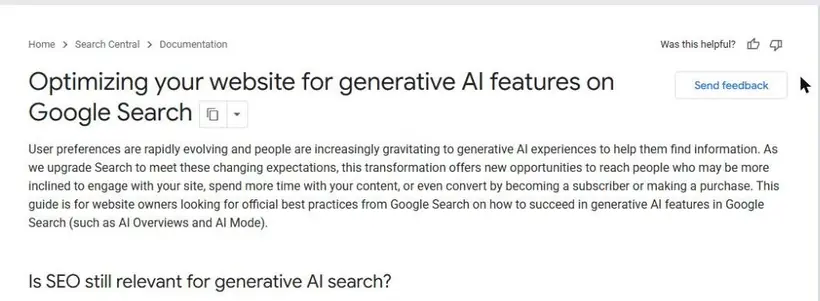
Because the bar for a useful page went up. Google says there are no extra technical requirements to appear in AI Overviews or AI Mode, and that normal SEO fundamentals still apply. Google also explains that these features use query fan out, which means Google runs several related searches across subtopics and then builds one answer. A page that covers the subtopics well has more chances to be picked.
Google’s guide on optimizing for generative AI features also pushes site owners toward content that is useful, original and satisfying for the visitor. Generic content that repeats what ten other pages say gives an AI system no reason to cite you.
Customers changed too. BrightLocal’s Local Consumer Review Survey 2026 found that use of ChatGPT and other AI tools for local business recommendations jumped from 6% in 2025 to 45% in 2026. If people ask an assistant which dumpster company to call in Fort Smith, the assistant needs clear, factual pages to draw from. Research is how you make your page that source.
My 12 step local SEO content research process
I run these steps in one AI conversation, in this order. Each step feeds the next, so by the time I ask for the draft, the AI has the full picture: the market, the competition, the words, and the questions. I review every output myself before moving on, because the AI only organises the research. The judgement stays with me.
Phase 1: Set the context
Step 1. Brief the AI like a specialist, not a typing tool
I open with a role: an experienced local SEO content writer who has ranked sites in organic search, AI Overviews, AEO and GEO. A clear role sets the standard for every answer that follows. Without it, you get average blog writing.
Step 2. Ask for what is working right now
Search changes every few months, so I ask the AI to search the web for current trends in ranking content across search engines and AI tools, and to update its knowledge before we start. I still verify the big claims against primary sources such as Google Search Central, because trend articles often repeat each other.
Step 3. Define the audience
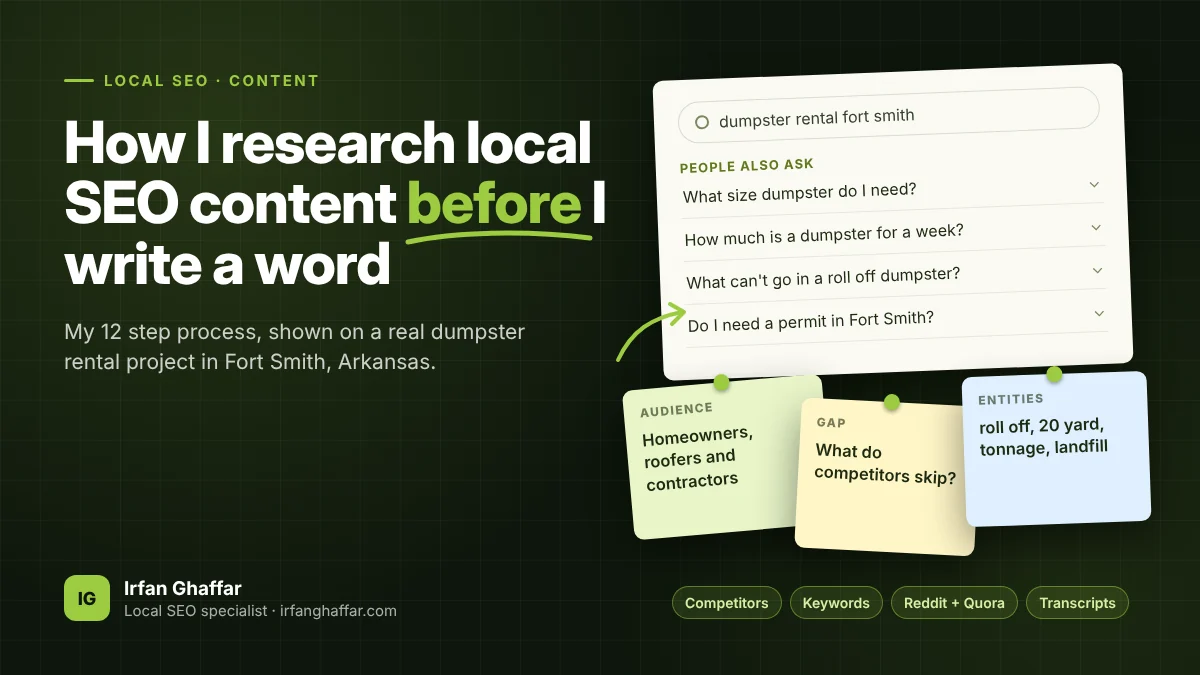
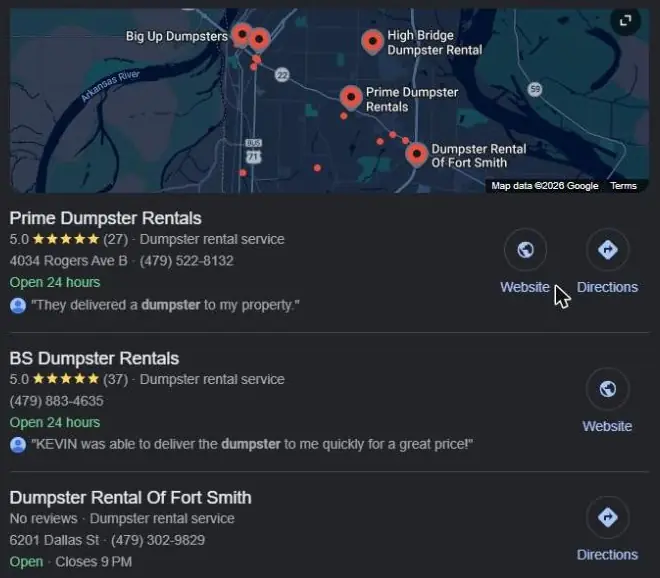
For the Fort Smith project I asked one question: who is my audience? The answer shaped everything. People renting a dumpster in a small city are usually homeowners doing a cleanout or remodel, roofers and contractors who need a container on a job site, and property managers clearing out a unit. Each group has a different worry: price and size for the homeowner, delivery time and tonnage for the contractor, speed and reliability for the property manager.
Step 4. Set the pitch and tone
Next I ask what the pitch and tone should be. A dumpster rental page should sound like a helpful local operator on the phone: plain, direct, honest about prices and limits. Not corporate, not salesy. Deciding this early stops the draft from drifting into marketing language.
Phase 2: Study the competition and the demand
Step 5. Audit the top competitors
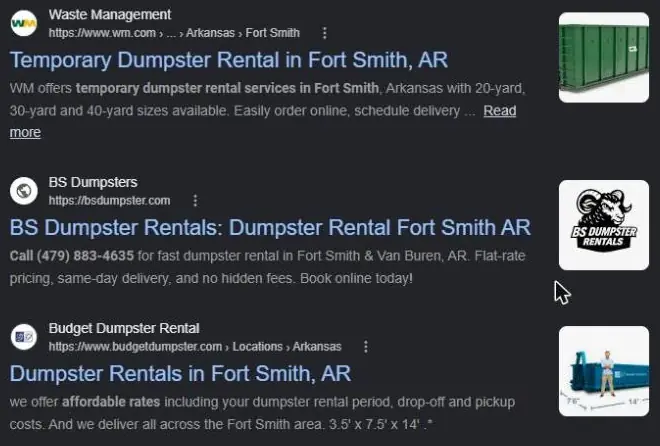
I give the AI the URLs of the pages ranking for the main keyword and ask it to visit them and list strengths, weaknesses and content gaps we can use. I check the same pages myself. What I look for: which questions they leave unanswered, whether prices or size guides are missing, how local the content really is, and whether there is any proof of experience such as photos, real addresses or named service areas.
Step 6. Paste every keyword and tell the AI to wait
I add all my keywords in one message: primary, secondary, tertiary, plus related low volume and zero volume terms. The instruction is simple: add them to the chat and do nothing else. Separating collection from writing keeps the AI from rushing into a draft before it has the whole picture. Zero volume keywords matter more than people think, because they are often the exact phrases customers type or say to an assistant.
Step 7. Turn competitor headings into a better outline
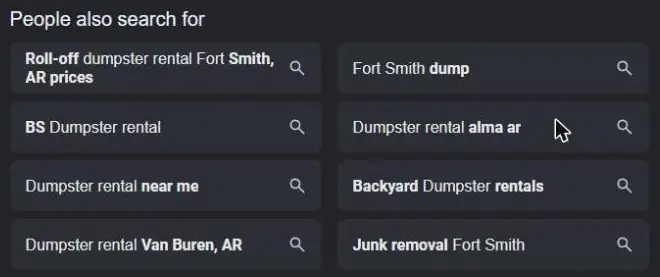
I paste the headings from the competing pages and tell the AI these are demo headings from my competitors. Then I ask for the ultimate outline, built from everything collected so far, worthy of ranking in Google, AEO, GEO and AI Overviews. Two rules: keep the keywords that improve the headings, and do not forget E-E-A-T. The outline should cover everything the competitors cover, then fill the gaps from step 5.
Phase 3: Get the language right
Step 8. Ban the words that give AI writing away
I ask for a list of words and phrases AI writers overuse and that readers spot instantly. Typical examples: delve, tapestry, elevate, seamless, robust, unlock, navigate the landscape, game changer, in today’s fast paced world. That list becomes a do not use list for the draft. It is a small step that makes the page read like a person wrote it.
Step 9. Add semantic entities
Entities are the people, places, things and concepts that belong to a topic. I bring the entities I collect from topical relevance tools and also ask the AI to pull them from the competitors. For dumpster rental that includes terms like roll off dumpster, 10, 20, 30 and 40 yard sizes, weight limit, tonnage, construction debris, roofing shingles, household junk, landfill, rental period and driveway protection, plus the local layer: Fort Smith, Sebastian County, Van Buren and the wider River Valley. These words tell search engines and AI tools that the page truly covers the subject.
Step 10. Learn how locals actually talk
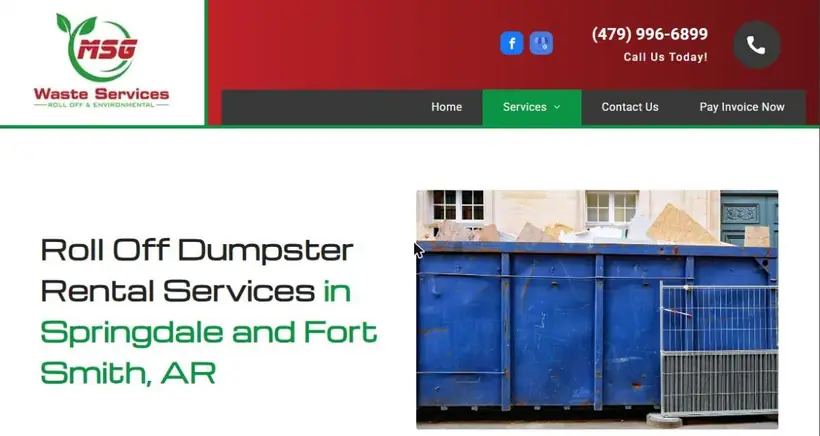
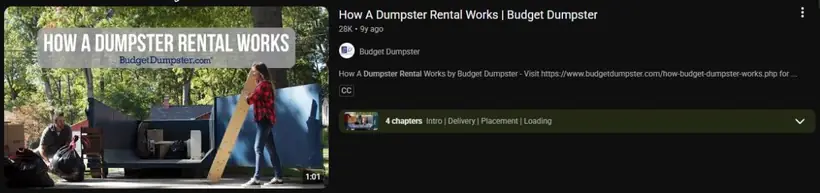
This is the step most writers skip. I find three or four YouTube videos from local dumpster rental companies in Fort Smith, convert them to transcripts, and give them to the AI. Then I ask it to study the speech patterns and words and adopt them carefully in the writing. Real operators explain things in a certain way. They mention the jobs they see most, the questions customers ask on the phone, the local roads and neighbourhoods. Borrowing that natural way of speaking, not their content, makes the page sound local and experienced.
Phase 4: Questions first, then the draft
Step 11. Collect real questions for AEO
I collect questions from People Also Ask, Medium, Quora, Reddit, AnswerSocrates and AnswerThePublic. I give them to the AI with a strict rule: do not change these questions. I also ask it to find two or three more highly relevant ones. The best of these become H2 headings with short, conversational answers right below them. That answer first format is what answer engines and AI Overviews can lift cleanly.
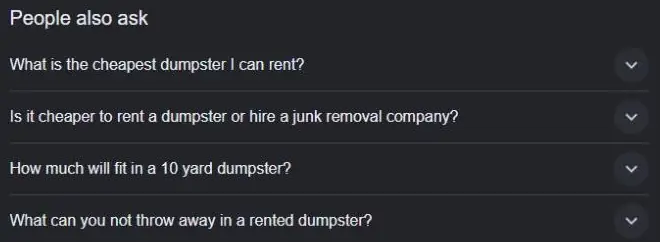
For Fort Smith, People Also Ask gave me questions like “What is the cheapest dumpster I can rent?”, “Is it cheaper to rent a dumpster or hire a junk removal company?” and “How much will fit in a 10 yard dumpster?”. These go into the page word for word.
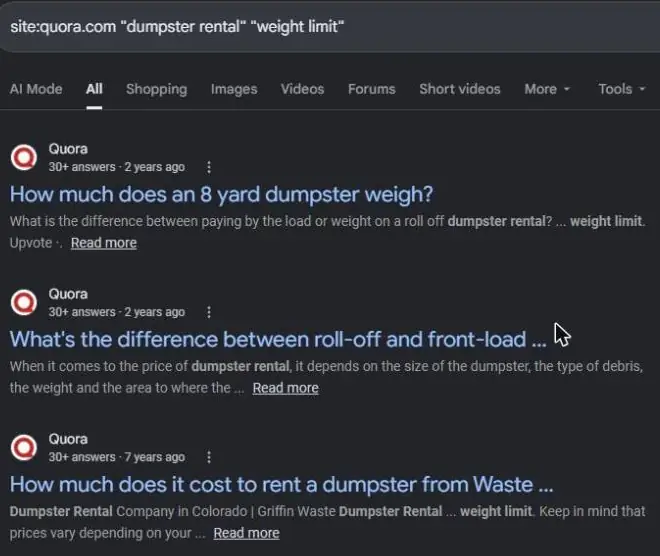
How I find questions on Quora, Reddit and forums. I do not scroll these sites hoping to get lucky. I search Google with an operator plus one or two entities from step 9. The site: operator keeps the results on one platform, and quotes force the exact entity to appear in every result.
site:quora.com "dumpster rental" "weight limit"site:reddit.com "roll off dumpster" shingles "how many"site:reddit.com dumpster "Fort Smith"for local threads"roll off dumpster" inurl:forumfor trade and DIY forumssite:quora.com intitle:dumpster permit
The trick is pairing the service with an entity. “Dumpster rental” on its own returns generic threads. Add an entity like weight limit, shingles or permit and you land on the exact worries people have before they pick up the phone.
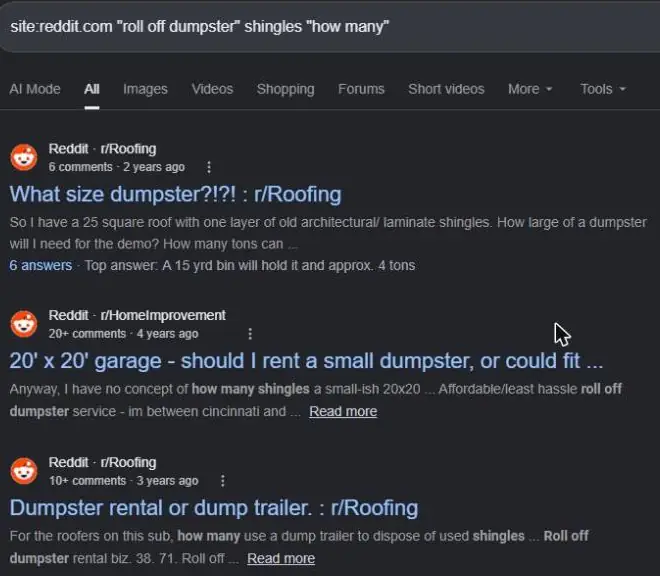
Reddit works the same way. In the search below, a roofer asks what size dumpster a 25 square roof with one layer of shingles needs and how many tons it will hold. That one thread gave me a section topic for the page, a key entity (tonnage) and the exact words a contractor uses.
I paste every question into the chat unchanged, then ask the AI to find two or three more that fit the same intent.
Step 12. Write the page
Only now do I ask for the content. My brief for the final draft: follow all the data above, make it highly local and comprehensive, follow the user intent, follow NLP and E-E-A-T, no fluff, keyword density at or below 0.5%, only factual data, no dashes, at least 2,500 words, and the goal of beating the competitors in organic search, AEO, GEO and AI Overviews. Then I edit the draft myself, check every fact, and add what only the business can add: real photos, real prices, real service areas and real customer stories.
What did each step change on the Fort Smith page?
Here is how the research translated into decisions for the dumpster rental page. This is the practical value of doing it in order.
| Research step | What I collected | How it shaped the page |
|---|---|---|
| Audience | Homeowners, roofers, contractors, property managers | Separate sections for home cleanouts, roofing jobs and construction projects |
| Tone | Plain, honest, local operator voice | Short sentences, clear prices and limits, no hype |
| Competitors | Strengths, weak spots and missing topics | An outline that covers their topics and fills the gaps |
| Keywords | Primary, secondary, tertiary, low and zero volume | Natural placement in headings and answers, density kept low |
| Entities | Sizes, weight limits, debris types, local places | A page that reads as a complete guide, not a sales flyer |
| Transcripts | How local operators explain things | Wording that sounds like Fort Smith, not a template |
| Questions | PAA, Reddit, Quora, Medium, AnswerThePublic | Question H2s with short answers for AI Overviews and assistants |
What prompts do I use for this research?
These are the prompts I use, lightly cleaned up. Replace the bracketed parts with your own business, city and data.
- You are an experienced local SEO content writer who has ranked many sites in organic search, AEO, GEO and AI Overviews.
- Search the web for the latest trends that help content rank in major search engines and AI tools. Search deeply and update your knowledge.
- I am working on a [service] website in [city]. Who is my audience?
- What should be the pitch and tone of my content?
- Here are my top competitors: [URLs]. Visit their sites and list their strengths, weaknesses and content gaps we can use to improve rankings.
- Here are all my primary, secondary and tertiary keywords, plus related low and zero volume keywords. Add them to this chat and do nothing else.
- These are demo headings from my competitors: [headings]. Using everything in this conversation, build the ultimate outline for Google, AEO, GEO and AI Overviews. Keep the keywords that improve the headings and do not forget E-E-A-T.
- Give me the words AI content writers overuse that are obvious and detectable.
- Here are my semantic entities from topical relevance tools: [entities]. Also pull entities from my competitors.
- Here are transcripts from local [service] videos in [city]. Study the speech patterns and words and adopt them carefully in the writing.
- Here are questions from Reddit, Quora and other platforms: [questions]. Do not change them. Find two or three more highly relevant ones, and add them as H2s with concise, conversational answers.
- Now follow all the data above and write content that is highly local and comprehensive. Follow the user intent, NLP and E-E-A-T, no fluff, keyword density at or below 0.5%, only factual data, no dashes, at least 2,500 words.
How does this research help SEO, AEO and GEO at the same time?
One well researched page serves all three, because they reward the same thing: a clear, complete, trustworthy answer.
| Goal | What it needs | Which steps deliver it |
|---|---|---|
| SEO (Google organic and Maps) | Search intent match, topical depth, local relevance, internal links | Audience, competitors, keywords, entities, outline |
| AEO (answer engines, featured answers) | Real questions with short direct answers | Question research and question H2s |
| GEO (ChatGPT, Gemini, Perplexity, AI Overviews) | Factual, specific, easy to quote content from a trusted source | Entities, factual writing, E-E-A-T proof, local detail |
If you want the technical side covered too, my technical SEO audit guide explains how to make sure Google and AI crawlers can actually reach and index the page you just wrote.
What mistakes make local content fail?
- City swap pages. The same text with a new city name. There is nothing local in it, so there is nothing to rank or cite.
- Keyword stuffing. Repeating the main phrase in every paragraph. I keep density at or below 0.5% and let entities and natural wording do the work.
- Invented numbers. Fake prices or statistics damage trust with readers and with AI systems that compare sources. Use the business’s real figures or none.
- Copying competitor headings. Their headings show the minimum. The ranking edge comes from the gaps they leave.
- Rewriting real questions. When you polish a Reddit question into marketing language, you lose the exact phrasing people search with.
- No proof of experience. Real photos, named service areas, the owner’s voice and customer reviews are what E-E-A-T looks like on a local page.
What should you check before you publish?
- The first paragraph answers the main search directly.
- Every H2 matches a real question or a clear subtopic, in a logical order.
- Prices, sizes, rules and service areas are confirmed by the business.
- Local entities appear naturally: city, county, nearby towns, local landmarks or roads where relevant.
- No words from the AI giveaway list, and no dashes.
- Keyword density at or below 0.5%.
- Internal links to the main service page and related guides.
- Real photos with descriptive alt text, and an author byline with credentials.
- The business’s Google Business Profile shows the same name, address, phone and services as the page.
Frequently asked questions
How long should local SEO content be?
Long enough to answer the topic completely for that city. For competitive service pages I aim for at least 2,500 words because the top results cover many subtopics, but length is a result of good research, not a target on its own.
Can I use AI to write local SEO content?
Yes, if the research and the judgement are yours. Google’s guidance asks that AI assisted content still meets its Search Essentials and spam policies. Use AI to organise research and draft, then check every fact and add the real experience only the business has.
What keyword density should local content have?
I keep the main keyword at or below 0.5% and rely on related terms and entities for relevance. Pages that repeat one phrase over and over read badly and rarely perform better.
Where do I find real questions people ask?
Start with People Also Ask in Google, then Reddit, Quora, Medium, AnswerSocrates and AnswerThePublic. Keep the original wording and pick the questions that match the page’s intent.
How do I find questions on Quora and Reddit for local SEO?
Search Google with the site: operator and one or two topic entities, for example site:quora.com “dumpster rental” “weight limit” or site:reddit.com “roll off dumpster” shingles. Keep the questions in their original wording and use the ones that match your page’s intent.
What are semantic entities in local SEO?
They are the named things and concepts that belong to a topic, such as sizes, materials, services, places and organisations. Covering them helps search engines and AI tools understand that your page fully covers the subject and the location.
Why use YouTube transcripts from local businesses?
They show how people in that area actually describe the service, the common jobs and the questions customers ask. Adopting that natural way of speaking makes a page sound local. You borrow the style and vocabulary, never the content.
Want this research done for your business?
I research and write local pages this way for service businesses in Australia, New Zealand, the UK and the USA. If your pages are not showing up in Google Maps, organic results or AI answers, start with a free local SEO audit and I will show you what to fix first. You can also see how I handle the full job on my local SEO services page.